


If you've ever walked through a hospital, you know how tricky balancing privacy and visibility can be. Think about patient rooms-nurses need to check on someone quickly, but you definitely don't want random passersby staring at a patient changing or resting. Or operating rooms? You need to see what's happening inside, but you don't want unnecessary foot traffic interrupting the team. That's where smart privacy glass comes in, and as someone who supplies these products, I get how this tech solves real hospital headaches way better than old-fashioned curtains or static blinds.
First, let's break down what smart privacy glass actually is, because not all versions are the same. From what I've seen in healthcare settings, the two most useful types are Low E Smart Glass and Smart Tempered Glass, but wait-there's also Privacy Smart Glass that's tailored exactly for those privacy-on-demand moments. Let's start with the basics: this glass doesn't rely on stuff you pull up or down (curtains get grimy fast in hospitals, plus they're a germ magnet). It uses a tiny electric charge to switch between transparent and opaque-like a light switch for your windows, basically. No more yanking a curtain open at 2 a.m. because you forgot it was closed.
Now, let's talk specific hospital use cases, because that's the only thing that matters here. Take patient rooms first. A lot of hospitals use regular frosted glass, but once it's installed, it's frosted forever. If a nurse needs to help a patient who wants some natural light during the day, they have to grab a paper towel roll (super unhygienic!) or a cloth to wipe the frosted part clear-gross, right? With smart privacy glass, you just hit a button. Opaque when a patient needs privacy, transparent when they want fresh air or a quick check-in with a visitor. Oh, and for ICUs? Patients need constant monitoring, but family members don't want to be on display when they're upset or receiving bad news. That's a no-brainer for Privacy Smart Glass-flip it to opaque for private family conversations, flip it back when the doctor needs to consult with the patient at the window.
Then there are operating and procedure rooms. You don't want random staff or maintenance workers wandering in mid-surgery, but you still need to see if the cleaning crew finished mopping before the team arrives. Smart Tempered Glass is perfect here because tempered glass is already way safer than regular glass (breaks into small, blunt pieces instead of shards), and adding the smart privacy tech means the OR doors or windows can switch from transparent to locked opaque when a procedure starts. No accidental interruptions, no need to bang on a door waiting for someone to notice you. And for the hallway outside, admin can just glance at the glass to confirm a room is in use without stopping.
Wait, let's not forget energy efficiency-hospitals have insane utility bills, and I've had customers tell me they saved 20% on HVAC costs just by switching to Low E Smart Glass. Low E stands for low emissivity, meaning it reflects heat instead of letting it escape in winter or creep in in summer. In a hospital, that's huge because you have to keep certain areas (like ICUs) at a consistent, cool temperature. If your windows are regular glass, you're wasting energy conditioning the air that seeps out. Low E Smart Glass not only adjusts privacy but also cuts down on energy waste-win-win for hospital budgets and the planet.
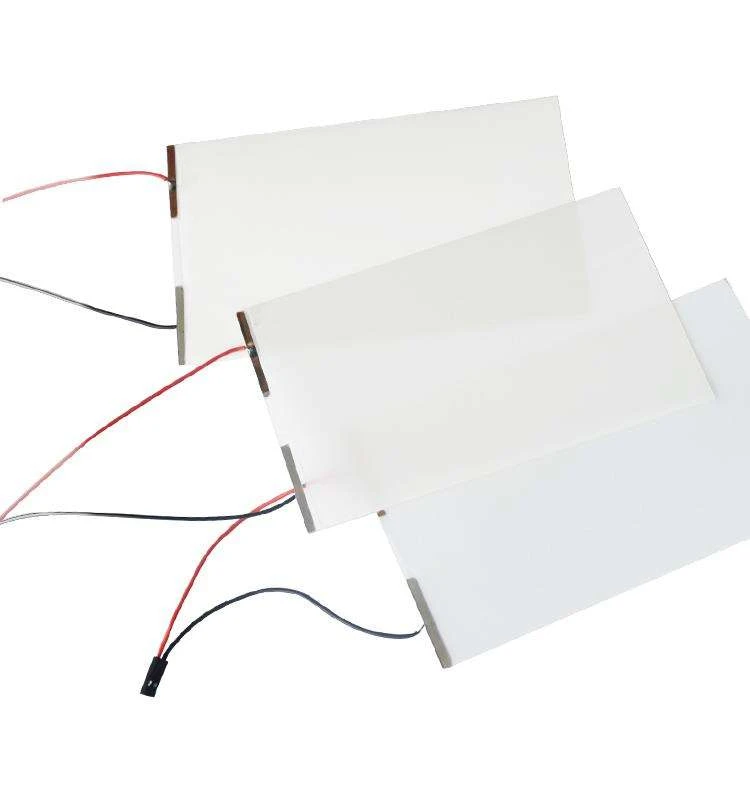
But hold on, I know what some hospital facilities managers are thinking: "This tech is expensive, right? And what about cleaning? It's glass, same as any other." Let's address the pushback I hear all the time. First, upfront cost-yeah, it's more than regular glass, but when you factor in reduced germ spread (curtains have to be laundered every week, that's a cost we don't talk about), energy savings, and no more broken blinds that need replacing every six months, it pays for itself in 3-4 years. And cleaning? Smart privacy glass has a thin, smooth coating, so it's easier to wipe down than textured frosted glass. No crevices for bacteria to hide-perfect for healthcare where infection control is non-negotiable.
Another big one: noise. Hospitals are loud, 24/7. Beeping monitors, gurneys rolling, staff talking. Smart privacy glass also has sound-dampening properties, especially if you pair it with laminated smart film. A lot of patients tell me the quietest parts of their stay are the ones with this glass, because it blocks hallway noise way better than thin curtains. That matters for recovery-sleep is huge for healing, and if a patient can't rest because of noise, their stay is longer, which costs the hospital more money.
Wait, I should mention real examples I've seen. Last year, a children's hospital in the Midwest switched all their patient room windows to Privacy Smart Glass. They told us that parents felt way more comfortable staying with their kids because they could close the glass for a minute when the kid changed, but open it to watch them play in the afternoon. Before that, they used pull-down blinds that kids kept yanking off the wall-maintenance was spending 10 hours a week replacing blinds. Now they spend 2 hours a week, max. That's a huge time saver for a hospital that's already short-staffed.
But let's be honest, it's not for every spot. You don't want this in a waiting room where people need to see who's coming in, but for back offices, supply closets, and staff break rooms? Total game changer. Staff can take a quick break without worrying about someone walking in, and managers can flip it clear when they need to check on a supply delivery.
Now, if you're a hospital facilities director or admin reading this, you're probably wondering how to make the switch without disrupting patient care. The good news is, a lot of smart privacy glass is a film you can apply to existing glass, not just full replacement. So you don't have to rip out all your windows and doors-we can send technicians to install the film overnight or during off-hours, so there's zero interruption to patient care. That's a big plus because shutting down a floor for a week is not an option for any hospital.
Wait, let's circle back to the types I mentioned earlier. If you're focused on privacy and safety for ORs, Smart Tempered Glass is the way to go. Tempered glass is OSHA-compliant for commercial spaces, so you don't have to worry about safety codes. If energy efficiency is your top concern, Low E Smart Glass will cut your HVAC costs and block UV rays that fade patient room furniture and even medications (some drugs need to stay out of direct sunlight). And if you just need that instant privacy for patient rooms or family counseling areas, Privacy Smart Glass is the sweet spot-affordable, easy to use, and works with existing power outlets, so you don't need a whole new electrical system.
I get why some hospitals are hesitant to try new tech-change is hard, especially when you're already stretched thin. But the feedback we get from hospital clients is almost always positive. No more germy curtains, no more accidental privacy breaches, lower energy bills, happier patients and staff. That's not just a nice-to-have, that's a upgrade that directly impacts the quality of care.
If you're ready to stop guessing what works for your hospital and start fixing those privacy and visibility issues, we can help. We've worked with everything from small clinics to large university hospitals, so we know how to tailor the solution to your space. Whether you're looking at Low E Smart Glass to cut utility costs or Privacy Smart Glass for patient rooms, we can walk you through options that fit your budget and needs. Just reach out to us to chat through your project-no sales pitch, just straight talk about what works in healthcare.