


As a seasoned supplier of PDLC privacy film, I've been frequently asked whether this innovative product can withstand extreme temperatures. In this post, I'll delve into the science behind PDLC privacy film and its performance in harsh temperature conditions, drawing on our extensive industry experience and research.
Understanding PDLC Privacy Film
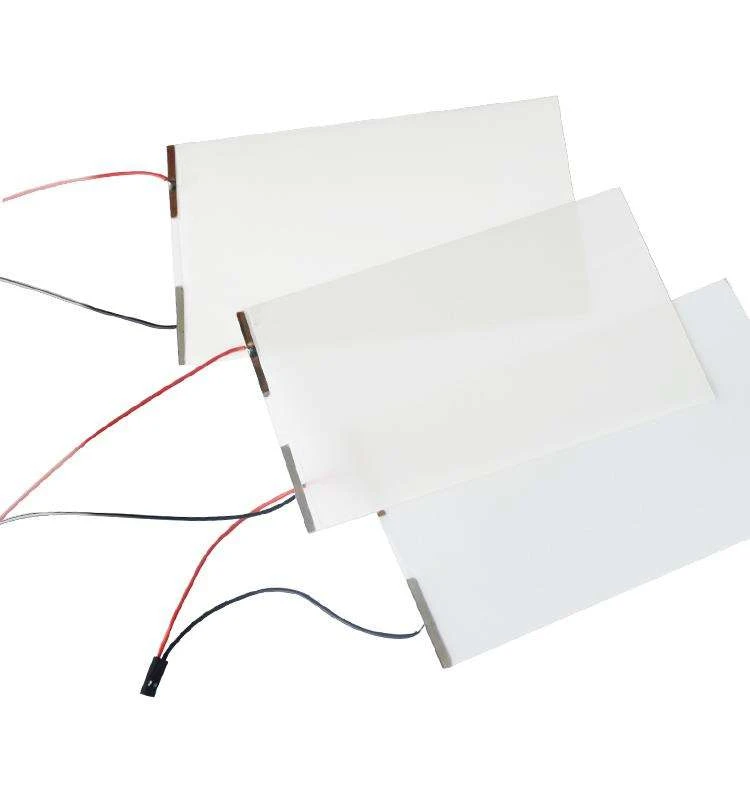
PDLC, or Polymer - Dispersed Liquid Crystal, privacy film is a remarkable technological advancement. When an electric current is applied, the liquid crystals within the film align in an orderly manner, allowing light to pass through and making the glass transparent. Without the electrical charge, the crystals scatter randomly, causing the glass to turn opaque, providing privacy. This transformative property has made it a popular choice for various applications, including residential windows, office partitions, and automotive use.
How Temperature Affects PDLC Privacy Film
Low - Temperature Performance
In cold environments, the main concern is the viscosity of the liquid crystals in the PDLC film. As the temperature drops, the viscosity of the liquid crystals increases. Higher viscosity means that the crystals move more sluggishly, which can impact the film's ability to switch between the transparent and opaque states.
At extremely low temperatures, say below - 20°C, the response time of the PDLC film may significantly increase. The film might take much longer to transition from opaque to transparent or vice versa. In some cases, if the temperature is extremely frigid, the crystals may become so rigid that they have trouble aligning even when the current is applied, potentially leading to partial transparency or an inability to fully switch states.
However, our company has been at the forefront of research and development to improve low - temperature performance. We've developed formulations that use special additives and polymers to lower the freezing point of the liquid crystal mixture. This allows the film to maintain a relatively stable response time even in cold climates. For example, our latest series of PDLC privacy films can still operate efficiently at temperatures as low as - 30°C, ensuring that customers in cold regions such as Canada or Russia can enjoy the benefits of privacy glass all year round.
High - Temperature Performance
High temperatures present a different set of challenges for PDLC privacy film. As the temperature rises, the liquid crystals in the film start to expand. Excessive heat can cause the molecular structure of the liquid crystals to break down, leading to a loss of their ability to align properly. This may result in a permanent shift in the film's optical properties, causing it to become permanently hazy or even damaged beyond repair.
In addition, high temperatures can also affect the conductive layers of the PDLC film. The conductive coating, usually made of indium tin oxide (ITO), is sensitive to heat. Prolonged exposure to high temperatures can cause the ITO layer to degrade, increasing its electrical resistance. This not only reduces the film's efficiency but may also cause uneven switching across the surface of the film.
To address these issues, we've incorporated heat - resistant materials into the design of our PDLC privacy films. Our engineers have developed a multi - layer structure that includes a heat - insulating layer to protect the liquid crystals and conductive layers from excessive heat. This has significantly improved the film's performance in high - temperature environments. Our products can now withstand temperatures up to 70°C without significant degradation, making them suitable for use in hot climates like the Middle East or desert regions.
Real - World Applications and Case Studies
Residential Use
In a recent residential project in [City Name in Cold Region], a homeowner installed our PDLC privacy film on their windows. During the winter months, when temperatures dropped to - 25°C, the film continued to function as expected. The homeowners were able to switch the windows between transparent and opaque states with ease, providing them privacy while still allowing natural light to enter their homes.
On the other hand, in a luxury villa in [City Name in Hot Region], our PDLC privacy film was used for the glass partitions in the living room. Despite the scorching summer temperatures that often reached 45 - 50°C, the film maintained its optical clarity and switching performance. The homeowners were impressed by its ability to withstand the harsh heat and provide a comfortable living environment.
Commercial Applications
In an office building in [City Name], the management installed our PDLC privacy film on the large glass partitions between meeting rooms. The building's HVAC system sometimes caused fluctuations in temperature, but our film was able to adapt to these changes. The quick response time and reliable performance of the film enhanced the functionality of the meeting rooms, allowing for easy adjustment of privacy levels as needed.
Related Products and Their Temperature Resistance
In addition to PDLC privacy film, we also offer other smart glass products, such as Privacy Smart Glass, Low E Smart Glass, and Smart Tempered Glass. These products also have their own temperature - resistance characteristics.
Privacy Smart Glass, which incorporates PDLC technology into a glass panel, has similar temperature - related performance as our PDLC privacy film. Our advanced manufacturing process ensures that it can withstand extreme temperatures while maintaining its privacy - switching capabilities.
Low E Smart Glass is designed to regulate heat transfer and has enhanced energy - efficiency features. It is well - suited for both cold and hot climates, as it can reduce heat loss in winter and heat gain in summer. Our Low E Smart Glass can operate effectively within a wide temperature range, from - 35°C to 90°C.
Smart Tempered Glass not only provides the benefits of privacy control but also offers high strength and safety. The tempered glass structure adds an extra layer of protection and can tolerate a relatively high level of temperature variations. It remains stable and functional in temperatures ranging from - 40°C to 100°C.
Conclusion and Call to Action
In conclusion, PDLC privacy film can indeed work in extreme temperatures, but it requires careful engineering and advanced materials to ensure reliable performance. Our company has invested heavily in research and development to create products that can withstand the most challenging temperature conditions. Whether you're in a frigid Arctic region or a sweltering tropical climate, our PDLC privacy film and related smart glass products are designed to meet your needs.
If you're interested in learning more about our PDLC privacy film or other smart glass products, or if you're looking to place an order for a project, please reach out to us. We have a team of experienced professionals who can provide you with detailed information, product samples, and personalized solutions based on your specific requirements. Let's start a discussion and find the perfect smart glass solution for your needs.