


In the era of rapid technological advancement, smart home systems have emerged as a revolutionary force, transforming the way we interact with our living spaces. Among the various components of a smart home, PDLC (Polymer Dispersed Liquid Crystal) smart film has gained significant attention for its unique properties and potential applications. As a leading PDLC smart film supplier, I am often asked about the compatibility of PDLC smart film with smart home systems. In this blog post, I will delve into this topic, exploring the technical aspects, benefits, and challenges of integrating PDLC smart film into smart home setups.
Understanding PDLC Smart Film
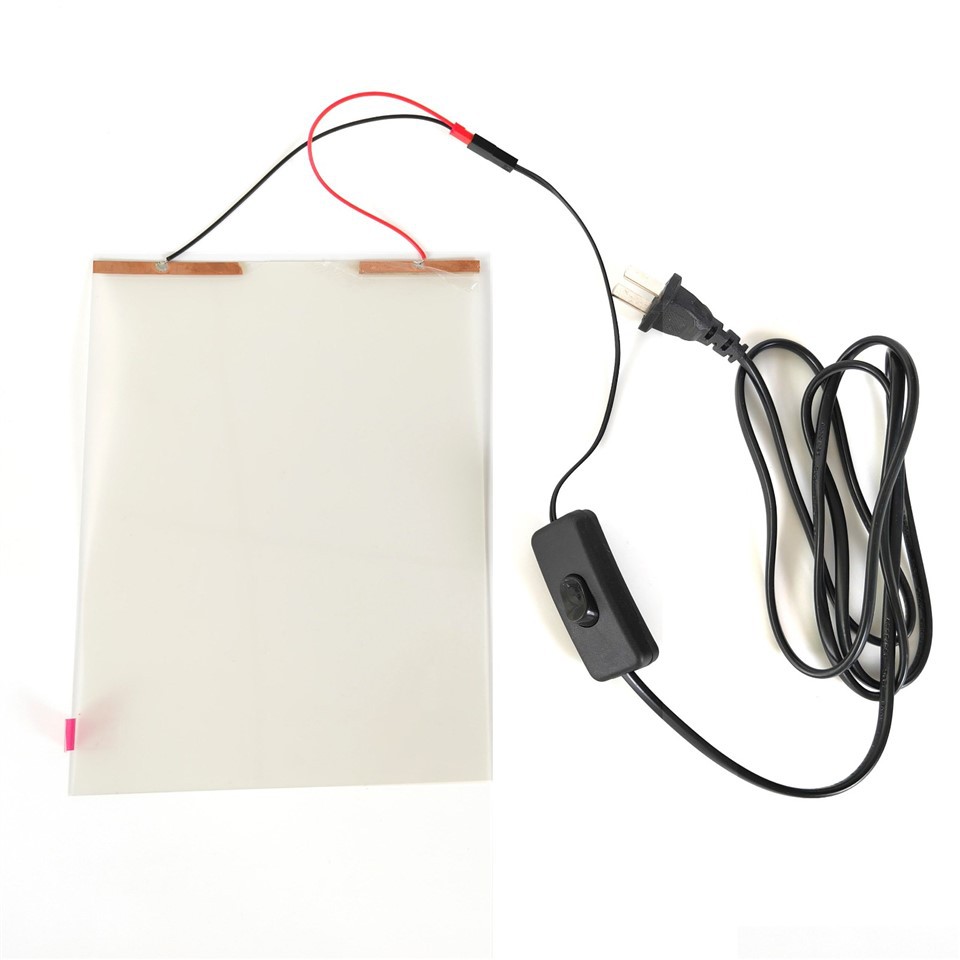
PDLC smart film is a remarkable technology that can change its transparency with the application of an electric current. In its off - state, the liquid crystals within the film are randomly oriented, causing the film to appear opaque. When an electrical voltage is applied, the liquid crystals align, allowing light to pass through and making the film transparent. This property makes PDLC smart film an ideal choice for applications such as privacy partitions, windows, and display panels.
There are different types of PDLC smart films available in the market. For instance, the Ultra Clear PDLC Film offers high clarity when in the transparent state, providing an unobstructed view. The Smart Film On Sliding Doors is specifically designed for sliding door applications, enhancing privacy and functionality. And the Laminated Smart Glass Film combines the benefits of PDLC technology with the strength and safety of laminated glass.
Compatibility with Smart Home Systems
Technical Compatibility
One of the key factors in determining the compatibility of PDLC smart film with smart home systems is the control mechanism. Most smart home systems operate on a variety of communication protocols such as Wi - Fi, ZigBee, or Z - Wave. PDLC smart films can be equipped with compatible control modules that allow them to be integrated into these systems.
For example, a Wi - Fi enabled PDLC smart film can be connected to a smart home hub. The hub can then be controlled via a smartphone app, enabling users to adjust the transparency of the film remotely. This seamless integration allows for easy control of multiple PDLC smart films in different areas of the home, providing a unified and convenient user experience.
Functional Compatibility
In addition to technical compatibility, PDLC smart film also offers functional compatibility with smart home systems. Smart home systems are designed to automate and enhance various aspects of home living, such as lighting, temperature control, and security. PDLC smart film can be integrated into these functions to create a more intelligent and efficient living environment.
For instance, PDLC smart film can be linked to the home's lighting system. When the lights are turned off at night, the film can automatically switch to the opaque state, providing privacy. During the day, it can be set to the transparent state to allow natural light to enter the room, reducing the need for artificial lighting and saving energy.
Benefits of Integrating PDLC Smart Film into Smart Home Systems
Enhanced Privacy
One of the primary benefits of using PDLC smart film in a smart home is enhanced privacy. With a simple tap on a smartphone or voice command, users can instantly change the transparency of the film, creating a private space whenever needed. This is particularly useful in areas such as bedrooms, bathrooms, and home offices.
Energy Efficiency
PDLC smart film can also contribute to energy efficiency in a smart home. By controlling the amount of sunlight entering the room, it can help regulate the indoor temperature. In hot weather, the opaque state of the film can block the sun's heat, reducing the load on air - conditioning systems. In cold weather, the transparent state can allow sunlight to warm the room, reducing the need for heating.
Aesthetic Appeal
The use of PDLC smart film adds a modern and sophisticated touch to a smart home. It can be used to create dynamic and interactive spaces, such as partition walls that can change from opaque to transparent, adding a sense of flexibility and innovation to the interior design.
Challenges and Considerations
Cost
One of the main challenges of integrating PDLC smart film into a smart home system is the cost. PDLC smart film can be more expensive than traditional window treatments or glass. However, the long - term benefits, such as energy savings and enhanced privacy, can offset the initial investment.
Installation
Proper installation is crucial for the optimal performance of PDLC smart film. It requires professional installation to ensure that the film is properly connected to the power source and the control system. Incorrect installation can lead to issues such as uneven transparency or electrical problems.
Compatibility Testing
Before integrating PDLC smart film into a smart home system, it is important to conduct compatibility testing. Different smart home systems may have different requirements and protocols, and not all PDLC smart films may be compatible with every system. It is recommended to work with a professional installer or a smart home integrator to ensure a seamless integration.

Conclusion
In conclusion, PDLC smart film is highly compatible with smart home systems, offering a range of benefits such as enhanced privacy, energy efficiency, and aesthetic appeal. While there are some challenges, such as cost and installation, the advantages outweigh the drawbacks. As a PDLC smart film supplier, I am committed to providing high - quality products and technical support to help customers integrate PDLC smart film into their smart home setups.
If you are interested in exploring the possibilities of using PDLC smart film in your smart home, I encourage you to contact us for more information. Our team of experts can provide detailed product information, installation guidance, and help you find the best solution for your specific needs.