


As a supplier of blackout smart film, I often get asked if our product can be used in hospitals. It's a great question, and one that deserves a thorough answer. In this blog post, I'll share my insights on whether blackout smart film is a good fit for hospitals, and why it might be a smart choice for healthcare facilities.
What is Blackout Smart Film?
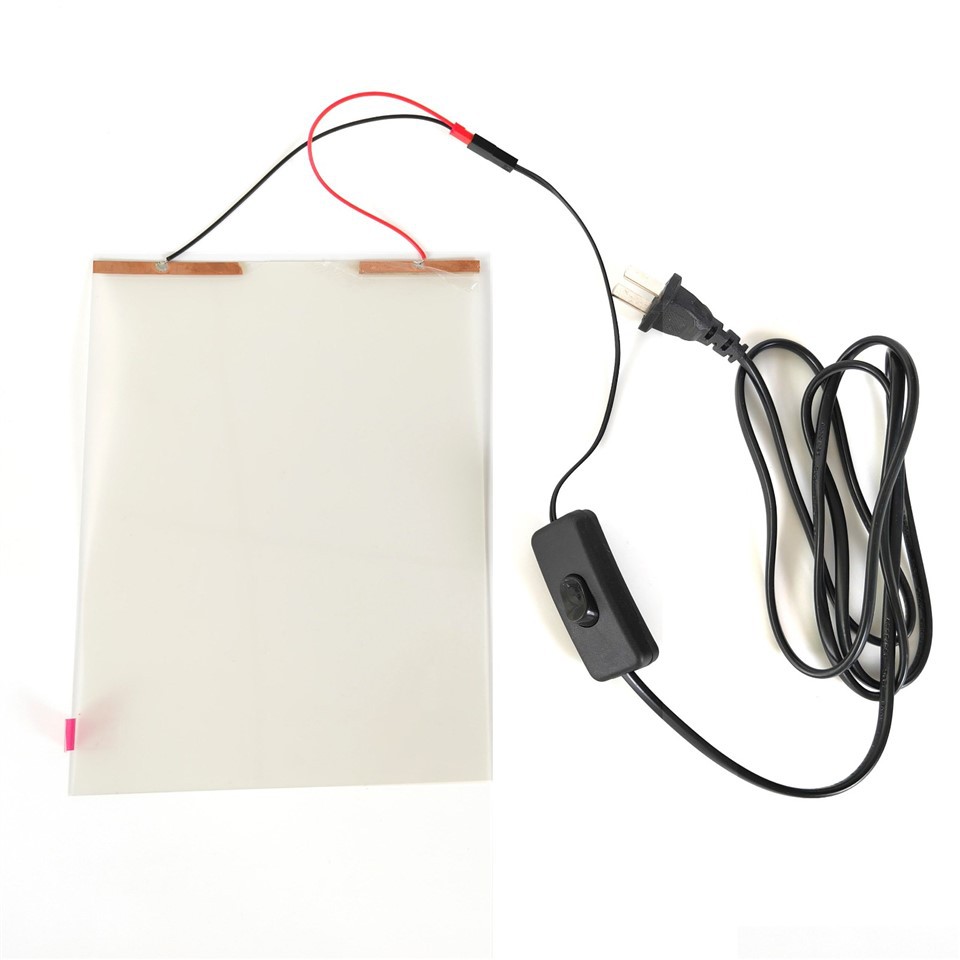
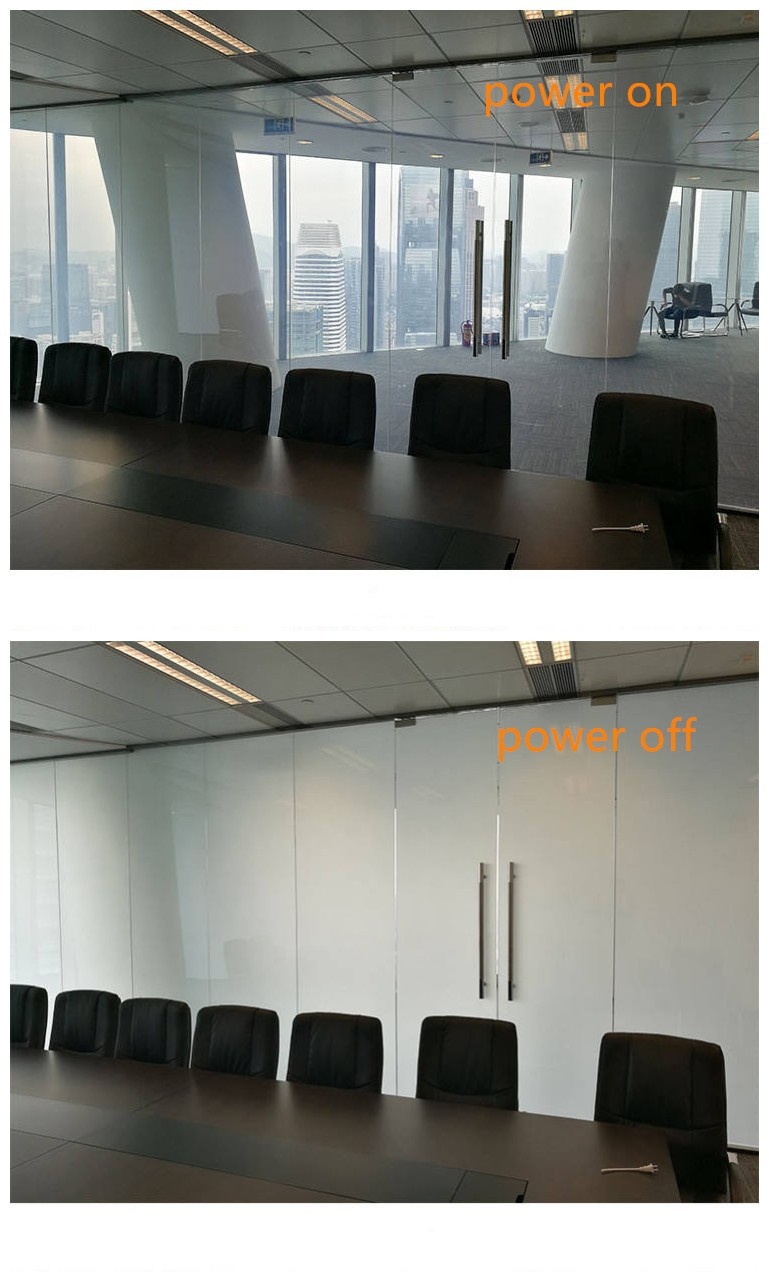
Before we dive into the specifics of using blackout smart film in hospitals, let's first understand what it is. Blackout smart film, also known as PDLC (Polymer Dispersed Liquid Crystal) film, is a type of switchable film that can change its appearance from transparent to opaque with the application of an electric current. When the power is off, the film appears opaque, blocking out light and providing privacy. When the power is on, the film becomes transparent, allowing light to pass through.
This technology has a wide range of applications, from residential windows to commercial buildings. It offers a convenient and energy-efficient way to control light and privacy without the need for traditional curtains or blinds. You can learn more about PDLC Window Film on our website.
Benefits of Using Blackout Smart Film in Hospitals
Now, let's explore why blackout smart film can be a valuable addition to hospitals.
1. Privacy
Privacy is of utmost importance in hospitals. Patients need a private and comfortable environment to recover, and healthcare providers need to ensure the confidentiality of patient information. Blackout smart film provides an effective solution for creating private spaces within the hospital. For example, it can be installed on the windows of patient rooms, examination rooms, and operating theaters. With the simple flip of a switch, the film can go from transparent to opaque, giving patients the privacy they need when they require it.
2. Light Control
Hospitals require precise control of lighting conditions. Different areas of the hospital, such as patient rooms, waiting areas, and surgical suites, have different lighting needs. Blackout smart film allows for easy adjustment of the amount of light entering a room. In patient rooms, it can be used to create a soothing and restful environment by blocking out bright sunlight during the day or providing a dimly lit atmosphere at night. In surgical suites, it can help control the intensity and direction of light, ensuring optimal visibility for medical procedures.
3. Energy Efficiency
Energy efficiency is a major concern for hospitals, as they consume a significant amount of energy to maintain a comfortable and functional environment. Blackout smart film can contribute to energy savings by reducing the need for artificial lighting and air conditioning. When the film is opaque, it blocks out a large portion of the sun's heat and light, reducing the load on the building's cooling system. This can lead to lower energy costs and a smaller carbon footprint.
4. Aesthetics
In addition to its functional benefits, blackout smart film can also enhance the aesthetics of a hospital. It provides a modern and sleek look that can improve the overall appearance of the building. Unlike traditional curtains or blinds, which can look dated and require regular maintenance, smart film offers a clean and minimalist design that complements the contemporary architecture of many hospitals.
5. Easy Installation and Maintenance
Blackout smart film is relatively easy to install and requires minimal maintenance. It can be applied directly to existing windows, making it a cost-effective and convenient solution for hospitals. Once installed, the film is durable and long-lasting, with a lifespan of up to 10 years or more. It can be easily cleaned with a mild detergent and water, and any minor scratches or damages can be repaired without the need for a complete replacement.
Considerations for Using Blackout Smart Film in Hospitals
While blackout smart film offers many benefits for hospitals, there are also some considerations to keep in mind.
1. Cost
The initial cost of installing blackout smart film can be higher than traditional curtains or blinds. However, it's important to consider the long-term savings in energy costs and maintenance expenses. Over time, the investment in smart film can pay off in terms of reduced operating costs and improved patient comfort.
2. Electrical Safety
Since blackout smart film requires an electrical current to operate, it's essential to ensure proper electrical safety measures are in place. Hospitals should work with qualified electricians to install and maintain the film to prevent any electrical hazards.
3. Compatibility with Hospital Equipment
Hospitals use a wide range of sensitive medical equipment that may be affected by electromagnetic interference (EMI). Before installing blackout smart film, it's important to test its compatibility with the hospital's equipment to ensure there are no negative effects.
4. Staff Training
To ensure the proper use and maintenance of blackout smart film, hospital staff should receive training on how to operate the film and troubleshoot any issues that may arise. This will help maximize the benefits of the film and prevent any misuse or damage.
Real-World Examples of Blackout Smart Film in Hospitals
There are already several hospitals around the world that have successfully implemented blackout smart film in their facilities. For example, a large teaching hospital in the United States installed Smart Film Blinds in its patient rooms to provide privacy and light control. The film was well-received by patients and staff, and the hospital reported a significant improvement in patient satisfaction.
Another hospital in Europe installed Smart Film On Sliding Doors in its operating theaters to create a more sterile and controlled environment. The film allowed for easy adjustment of the lighting conditions during surgeries, and the opaque setting provided privacy for the surgical team.
Conclusion
In conclusion, blackout smart film can be a valuable addition to hospitals. It offers a range of benefits, including privacy, light control, energy efficiency, aesthetics, and easy installation and maintenance. While there are some considerations to keep in mind, such as cost, electrical safety, compatibility with hospital equipment, and staff training, the advantages of using smart film outweigh the potential drawbacks.
If you're a hospital administrator or decision-maker looking for a solution to improve patient privacy, control lighting, and reduce energy costs, I encourage you to consider blackout smart film. Our team of experts can provide you with more information and help you determine if smart film is the right choice for your facility. Contact us today to start a conversation about how we can meet your needs and enhance your hospital environment.