


If you've ever stared out a window on a bright, sunny day wishing you could dim the glare without yanking a heavy shade, or sighed over how traditional glass leaves your home or office looking the same whether you're hosting a big meeting or getting ready for bed, you've probably wondered if there's a better option. As someone who's worked with smart PDLC glass for years (I'm not here to pitch random stuff, by the way-this is the tech that's actually changed how my clients use their space), I get how confusing it can be to wrap your head around this stuff vs. the regular glass you've known your whole life. Let's break this down without the boring jargon, no sales fluff, just the real, day-to-day differences that actually matter.
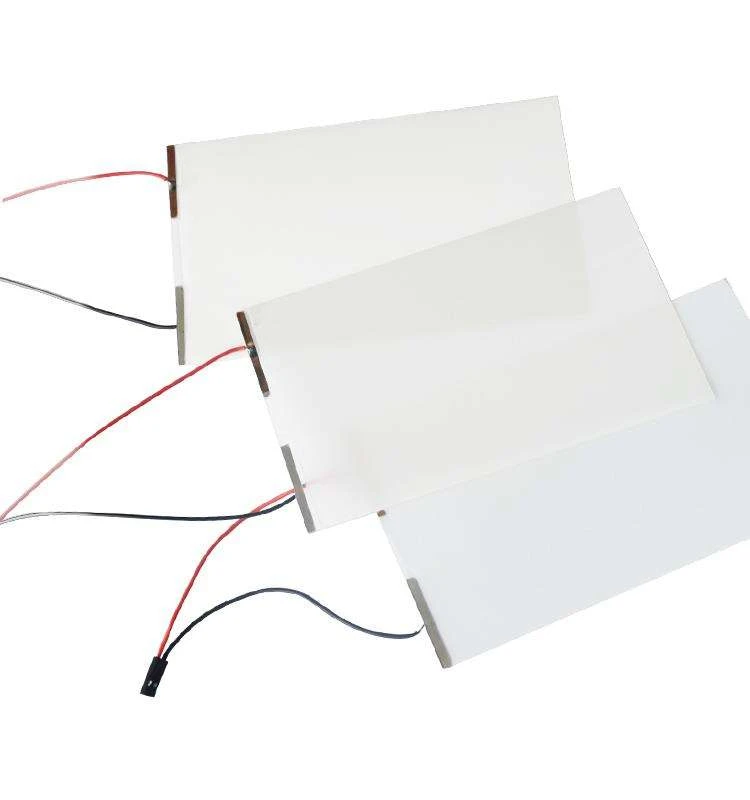
First, let's get on the same page: what even is PDLC smart glass? If you haven't heard the acronym, it's polymer-dispersed liquid crystal. Basically, tiny liquid crystal particles are suspended in a polymer film that gets laminated between two panes of glass (or sometimes just applied as a film to existing glass, but we'll get to that later). When there's no electricity running through it, those crystals are jumbled up, so light can pass through easily-you've got clear glass, same as what's in your kitchen window. Flip a switch (or tap an app, or even set a schedule via your smart home), and the crystals line up in perfect formation, scattering light so it looks opaque, like frosted glass. That's it, that's the magic. Now let's stack it up against traditional glass-let's define "traditional" here as standard clear or frosted annealed glass, tempered glass, even basic laminated glass, since those are the go-tos most people know.
Let's start with the big one: privacy. This is the reason most people reach out to me first. Traditional glass, even frosted glass, isn't really private enough for a lot of spaces. Frosted annealed glass works for a half-bath, but if you're using it for a conference room wall where you're sharing sensitive client info, or a home office where you don't want neighbors staring, it's never fully opaque-you can still make out vague shapes and shadows through it, especially at night when the lights are on inside. Tempered glass is stronger, but it's still just clear, so privacy is an afterthought. PDLC smart glass? You're in control. One second you've got a see-through wall to chat with your team through, the next it's completely opaque so your work stays private. No more awkward moments when a coworker walks in mid-video call, or when you're getting changed in a home gym and don't want the street to see. If you want a specific type for privacy, we've got Privacy Smart Glass built for exactly that-super smooth transitions, no weird blurry spots, zero light leaks when it's in opaque mode.
Wait, but what about strength? A lot of people assume regular tempered glass is way stronger than smart glass, right? Nope, not when we're talking about PDLC. Let's clarify: our PDLC smart glass is laminated with tempered glass, actually. Like, the film is sandwiched between two Smart Tempered Glass panes, so it has the same impact resistance as standard tempered glass-way more than annealed glass, which shatters into sharp pieces if it breaks. I've had clients with retail spaces in sketchy downtown areas install this, and they tell me it's withstood a few accidental shopping cart bumps without a scratch, same as the tempered glass they would've used otherwise. The film in the middle doesn't weaken it, either-if it does break, the laminate holds the shards together, same as standard laminated safety glass. So you're not sacrificing durability for the smart tech, which is a big win.
Next up: energy efficiency. This is where a lot of people sleep on PDLC vs. traditional glass. Regular clear glass is terrible for regulating temperature-solar heat gets through in the summer, making your AC work overtime, and heat leaks out in the winter, cranking up your heating bill. Even "low-e" traditional glass (low-emissivity, which is supposed to reflect heat) only works if it's oriented a certain way and you're not messing with light levels. PDLC smart glass? It's a game-changer here because you control how much light and heat comes through. On a hot summer day, you can switch it to opaque during peak sun hours-no glare, no extra heat, so your AC doesn't have to run as hard. On a cool winter morning, flip it back to clear to let in free sunlight, cutting down on heating costs. Plus, our Low E Smart Glass takes this a step further-it pairs the PDLC tech with a low-e coating to reflect unwanted heat even when it's clear, so you get the best of both worlds. I had a small business owner install this in their café last year, and they told me their energy bill dropped almost 18% in the first three months. That's real numbers, not marketing hype.
Let's talk about use cases, because that's where the rubber meets the road. Traditional glass is one-size-fits-all-your office wall is see-through 24/7, your shower door is frosted forever, your bedroom window is glarey when the sun comes up. PDLC smart glass adapts to your day. For home offices: clear to take calls at your desk, opaque to block out distractions when you need to focus. For conference rooms: turn the wall opaque for a client presentation so no one can see what's on your screen, then clear for team huddles. For bathrooms: switch the shower door to opaque for a bath, clear to let light in when you're not using it. Even for storefronts: keep the windows clear during the day to show off your products, opaque after closing to keep displays secure. Traditional glass can't do that-you'd need to install multiple types, or add layers like blinds or shades, which are bulky, collect dust, and break.
Now, let's get real about the downsides, because I don't want to sell anyone something that doesn't fit. First, upfront cost. PDLC smart glass is more expensive than regular tempered or annealed glass-usually 2 to 3 times the price. But here's the catch: it's a long-term investment. If you're using it in a commercial space, you're not paying for separate privacy layers, window treatments, or the higher energy bills from regular glass. For homes, you're not replacing blinds every few years, and you're saving on utility costs. A lot of my clients tell me it pays for itself in 5 to 7 years, which is way less than you'd think.
Another "con"? You need power. It's not "set it and forget it" like regular glass-you need a small power source, usually connected to your building's electrical or a battery. But it's not like it uses a ton of power-most of our PDLC glass uses less energy than a lightbulb. And we can add solar panels for off-grid spaces, so you don't even have to tap into the building's power. No one I've worked with has complained about the power requirement, it's just something to plan for when you're installing it.
What about maintenance? Traditional glass is easy-wipe it with Windex and a paper towel. PDLC smart glass is the same. The surface is just glass, so cleaning it is identical, no special products. The film inside is sealed between the two panes, so you never have to clean it, it won't get scratched, and it won't fog or peel. I had one client who installed a PDLC shower door, and they've had it for 4 years-still looks the same as the day it went in. No weird mold growing behind shades, no blinds that stick when you pull them, just glass.
Wait, what about clarity when it's on vs. off? Some cheap PDLC glass looks a little cloudy when it's clear, right? But that's not our stuff. The PDLC I work with has almost zero haze when it's clear-you won't notice a difference between that and regular clear glass. When it's opaque, it's solid, no streaks or weird spots. I've had people come to my showroom and not believe it's smart glass until I flipped the switch right in front of them. That's the kind of quality we stand by-no cheap, jumbly crystals that make everything look blurry.

Let's wrap this up with what it really comes down to: who is PDLC smart glass for, and is it worth it over traditional? If you're someone who values flexibility, control over your space, lower long-term energy costs, and no bulky window treatments, it's a no-brainer. If you're on a super tight budget for a temporary space (like a pop-up shop that only lasts 6 months) or you just need a simple window that doesn't require any frills, traditional glass will work fine. But for most people and businesses that want their space to adapt to their needs, not the other way around, PDLC is the better call.
If you're curious to see exactly what our tech looks like, or you want to talk through your space and what would work best, hit us up. We can send over samples, walk through use cases specific to your project, and answer any questions you have-no pressure, just real talk about smart glass.